“Science has grabbed the mythology of the 20th century, and it has done so in a weird way — in the same way capitalist production has done it, by creating a myth every ten years and saying, ‘Hey, this is the real stuff, we’ve got the news.’ It’s a way of generating an illusion of the real by producing, just like you do with new cars, a new scientific story every year. So, you turn on your TV…and you watch the origin or death-of-the-universe story of the week.”
Peter Warshall
“Squirrels on Earth and Stars Above”
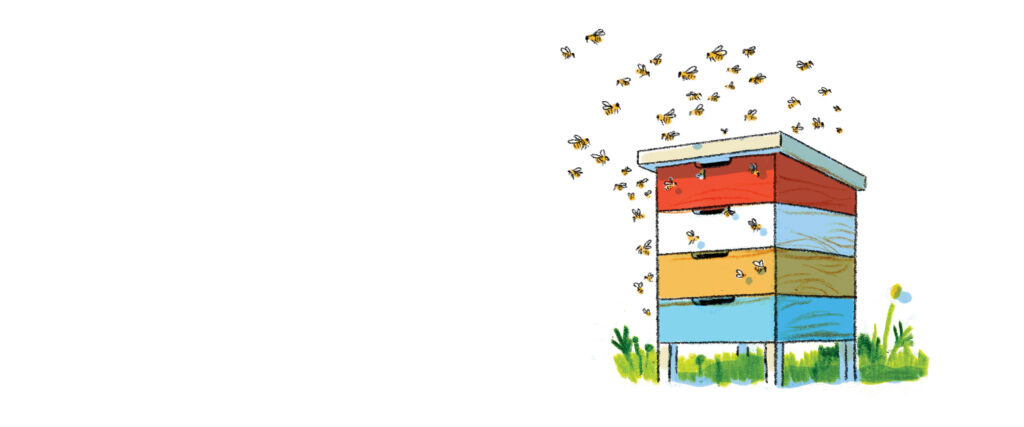
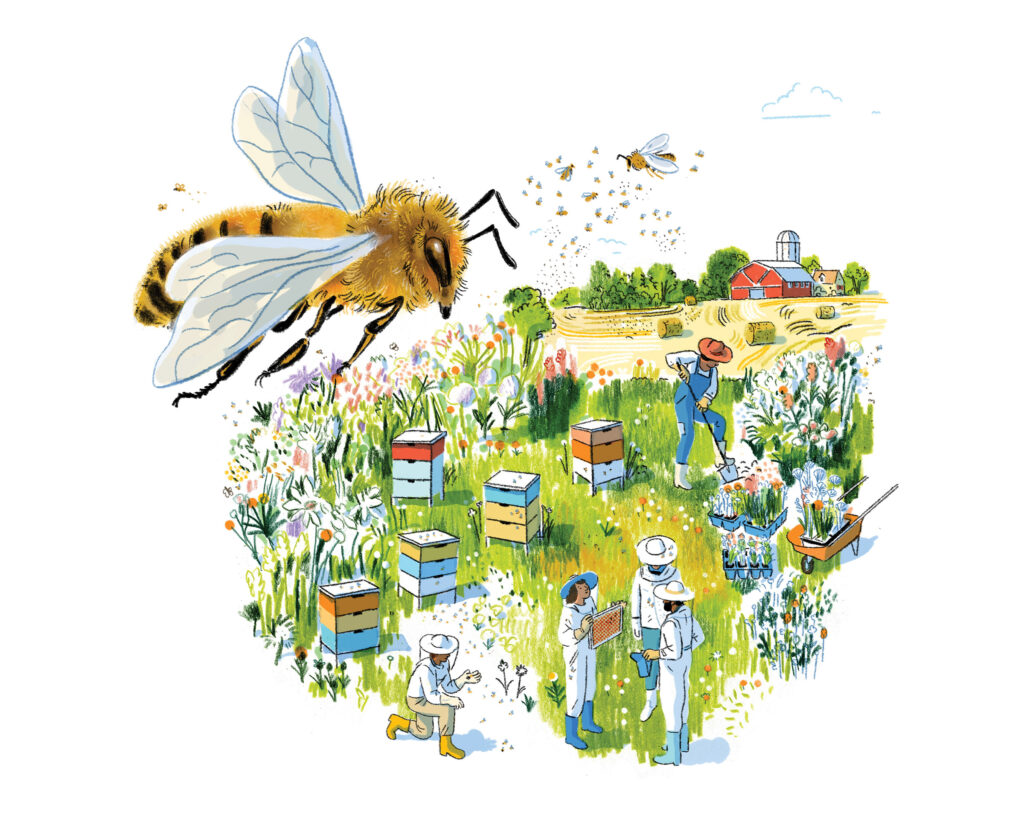
When the stories we tell about nature are subject to their own climate changes, ecology becomes a thing stuck between nature and language. The same can be said about our bioethics. In California, for instance, honeybees are a controversial subject, under fire for the competition they pose to native pollinators. Yet, it wasn’t that long ago when “Save the honeybees” was all the buzz. You might remember hearing about Colony Collapse Disorder (CCD), a phenomenon where, suddenly, honeybees were mysteriously disappearing en masse from their Langstroth boxes. This made international news and sent shivers through the U.S. agricultural sector in 2007ish, particularly in the Golden State, where many high-value crops rely on pollination from the European honeybee (Apis mellifera), a species responsible for pollinating 35% to 40% of global food crops.
What followed was an outpouring of public sympathy for these wondrous critters, as natureniks and DIY homesteaders everywhere beelined toward apiculture as a hobby. Apiaries started popping up in the most unlikely places, from suburban backyards to the rooftops of downtown high-rises.
But times, my friend, have a-changed, and there’s a new bee panic in town — this time directed at native pollinators. Saving honeybees, once the bee’s knees, is now considered so 2007. I’ve even heard folks refer to European honeybees as “rats of the sky,” as these farmed bees get blamed for the endangerment of native pollinators. The irony is almost poetic — the bees we once sought to save are now the villains we need saving from.
A Case for Native Pollinators
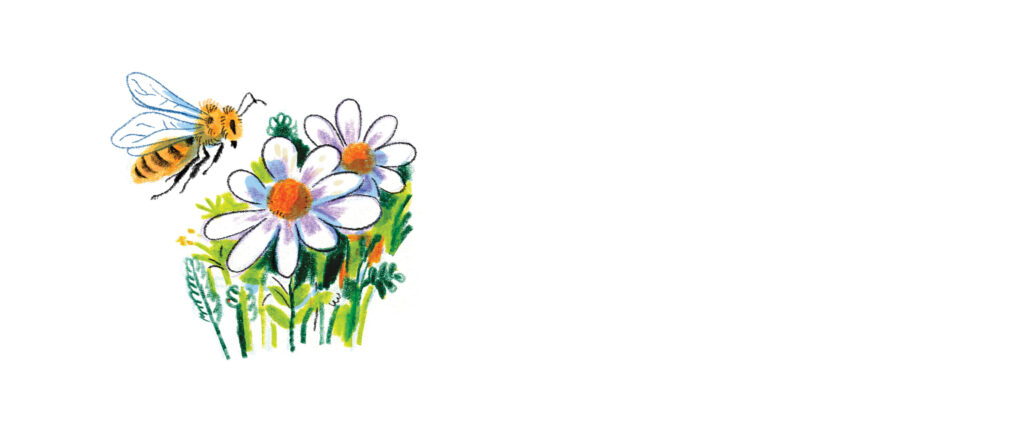
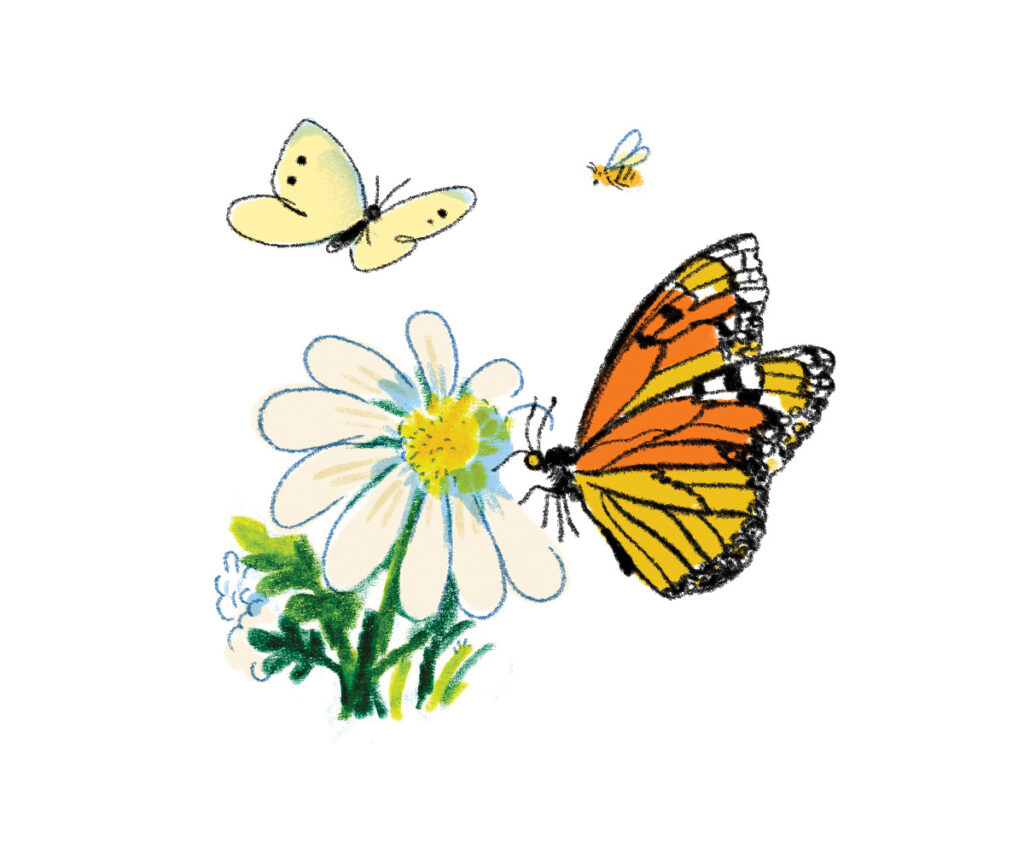
Before going any further, let’s be clear: Supporting native pollinators is not just important; it’s downright essential. In California, honeybees constitute formidable floral resource competition for more than 1,600 native bee species, as well as moths, birds, butterflies, and other pollinators. This competition is intensified in areas of monoculture farming and fragmented habitats, where honeybee populations have been artificially boosted by Big Agriculture — posing serious threats to the survival of native pollinators. This, in combination with other pressures, has created a situation where honeybees, as marvelous as they are, are scarfing all the food and leaving everyone else in the lurch. So, it’s no wonder folks are rallying behind native pollinators. But here’s the thing…
An Ethical Dimension
Honeybees are not, and never were, “rats of the sky.” We brought them here on purpose. They’re simply a species performing survival in the places we have put them. The European bee was introduced to North America in the early 1600s, this land of milk and… (I won’t even say it). And, like European humans, the bees have spread across the continent over the past four centuries. Now, for better or worse, this “invasive” species is firmly established here, and there’s no delete button. I put “invasive” in quotes because I take serious ethical issue with referring to an indentured population as invaders while saying nothing of those who maintain the situation. How we frame ecological dilemmas, like the honeybee question, matters, not just because the language we use influences our capacity for empathy; it also reminds us that we aren’t passive observers of an idealized abstraction called nature but active participants in shaping the ongoing ecological dramas we are embedded in.
And when it comes to honeybees, at least in today’s world, we’re talking about an exploited nonhuman population that we are utterly enmeshed with. We have bred these beings as laborers for a monolithic industry, often in deplorable conditions where they are exposed to numerous stressors, in roles we have imposed on them within systems they cannot control — grounds enough, in my view, for rethinking how we relate to this complex and specialized life-form while highlighting how our actions, particularly in industrial agriculture, might harm them and, by extension, native pollinators and ecologies.
Supporting native pollinators is not just important; it’s downright essential. In California, honeybees constitute formidable floral resource competition for more than 1,600 native bee species, as well as moths, birds, butterflies, and other pollinators.
Colony Collapse and its Ripple Effects
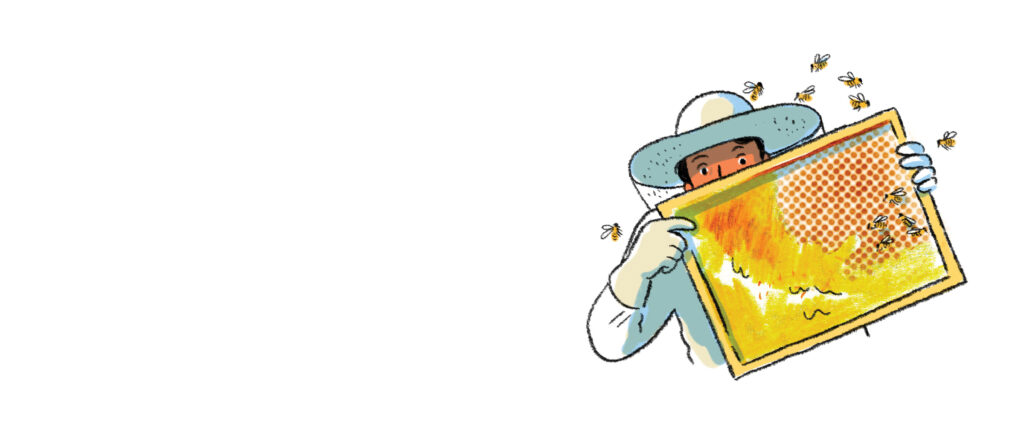
When CCD first hit the news, it felt almost biblical. Bees weren’t just getting sick and dying; they were vanishing altogether — turning once-bustling apiaries into ghost towns overnight. At first, people blamed the proliferation of cell phone towers for disrupting bees’ ability to navigate back to their hives. This popular hypothesis came from a mix of early media reports citing small studies, public speculation, and the fears of paranoid beekeepers. However, the theory has since been largely discredited, and the root causes of CCD have been found to be more systemic, the result of several factors including widespread use of pesticides on crops, malnutrition caused by monoculture farming — which limits bees to just one type of flower and supplements their diet with high-fructose corn syrup when crops aren’t blooming — and climate change. Stress from irresponsible commercial beekeeping practices is also a factor, such as overcrowding hives and treating parasites with insecticides — despite bees also being insects and, as such, not keen on insecticides — and other human interventions that weaken colonies and make them susceptible to collapse.
But what does any of this have to do with native pollinators? Well, for one, the unsustainable practices that contribute to CCD also affect native species. Pesticides don’t discriminate between honeybees and wild pollinators. Moreover, monoculture farming creates a temporary abundance for honeybees when crops are in bloom but leads to off-season food deserts, causing honeybees to forage elsewhere. This suggests that perhaps Colony Collapse “Disorder” isn’t a disorder but the reasonable response of a species subject to conditions that are increasingly toxic and unsustainable — as if it somehow didn’t occur to anyone that farmed bees might not prefer foraging pesticide-laced nectar and pollen from monoculture GMO crops, only to be euthanized at the end of a season. So it stands to reason that at least some of this unfair competition is driven by honeybees migrating to native habitats instead of minding their own beeswax on toxic farms.
Zooming Out
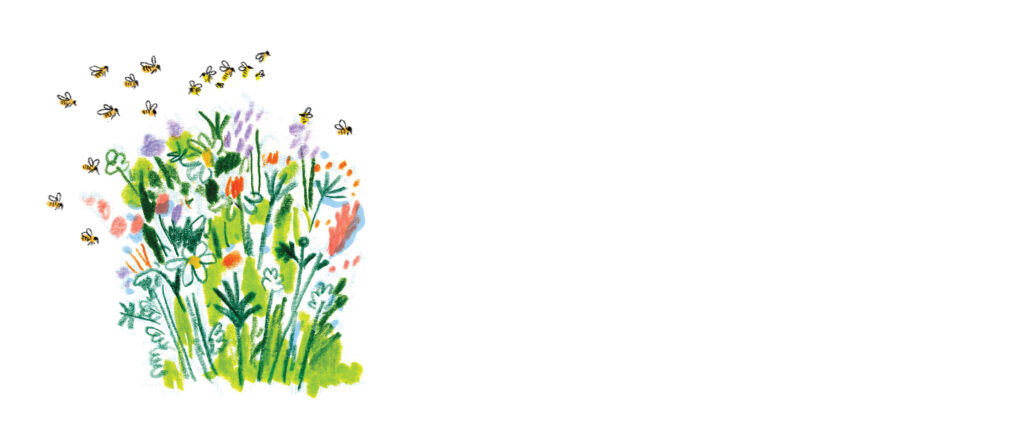
Here’s another point to consider: Honeybees have been in North America for more than 400 years, and, as far as I can tell, weren’t causing widespread native pollinator decline in, say, 1850 — before industrialization, when habitats were more abundant and biodiverse, so there was less competition for floral resources. So perhaps the question we should be asking is, How does the decline in native pollinators correlate with contemporary human population growth and settlement, industrial-scale farming, and the massive exploitation of honeybees for monocrop pollination?
Additionally, while it’s clear that honeybees today are adding undue pressure to native species, it’s essential to recognize that a broader anthropogenic context is driving overarching factors that lead to habitat loss, climate change, and biodiversity decline. In other words, humans are the linchpin.
So perhaps the question we should be asking is, How does the decline in native pollinators correlate with contemporary human population growth and settlement, industrial-scale farming, and the massive exploitation of honeybees for monocrop pollination?
Toward an Ethical Plan Bee
So yes, everyone can agree that it’s critical to support native biodiversity, from growing native pollinator-friendly gardens to engaging politically in support of wildlands and habitats. But our strategy must also address the larger systemic factors undermining biodiversity — in this case, unsustainable Big Agriculture.
I should say here that my original intention for this essay was to draw an ethical frame around the honeybee question, but I’d be remiss not to include some of the ideas that have been proposed about how all of this might be addressed in the real world. Be warned, I’m no expert, so don’t kill the messenger.
One suggestion is to eliminate the widespread use of neonicotinoid-based pesticides in agriculture, as they impair the immunity and navigation of both native and non-native insects. Another is integrated pest management, which relies on the use of predatory insects as biological controls, and in California, there are several native bugs that can be used for this. Additionally, many experts agree that everyone’s health would benefit from de-emphasizing large-scale monoculture farming and moving toward more diverse, resilient systems that not only produce food for us but also provide forage and shelter for a variety of pollinators, while enhancing the soil and biodiversity. And some have suggested that farmers plant wildflower borders around crops to create corridors where native pollinators can thrive.
Is there a world where we can build agricultural systems that support not just native pollinators but also immigrant bees, the broader ecology, and human health? This would require a radical rethinking of our relationship with pollinators, habitats, plants, and land use for agriculture. As we grapple with the messiness of an ecological story that human decisions are helping to write, we must also acknowledge that blaming honeybees for native pollinator decline paints an incomplete picture at best, as it sidesteps what is largely an anthropogenic problem.
As Albert Einstein once famously said, “We cannot solve our problems with the same thinking we used when we created them.” My fear is that if industrial agriculture continues business as usual, we risk further harm, not only to pollinators but also to the ecosystems that sustain all life — including our own.