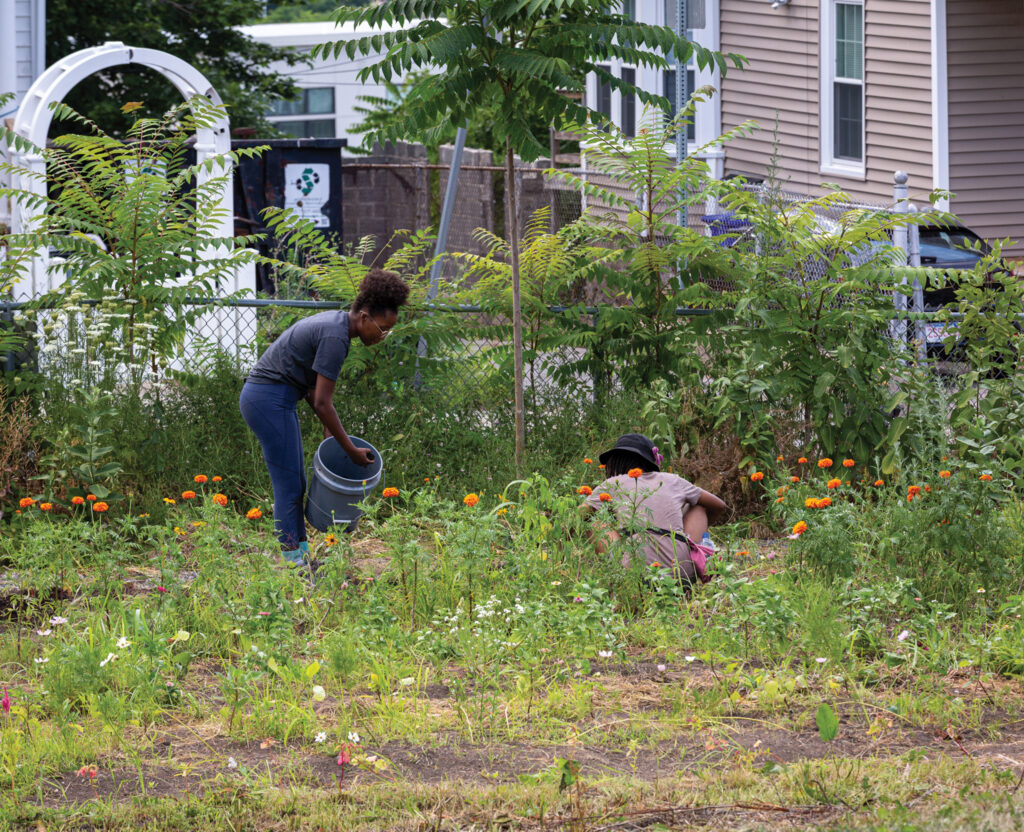
Across the country, urban agriculture organizers are transforming underused and abandoned lots into vibrant green spaces — unexpected farms that provide fresh, accessible produce in areas that need them. They are lifelines to nutritious food and community, but despite the benefits and increasing formalization of this growing movement, organizers often face disabling challenges accessing funding and securing their land.
Community gardening is nothing new, but in the past 15 years, offices and programs devoted to urban agriculture have popped up in city governments from Eugene, Oregon, to Grand Rapids, Michigan, to Boston. Shani Fletcher, director of GrowBoston, the city’s office of urban agriculture, tells The Rooted Journal that this movement has been a long time coming: “Advocates of urban agriculture have fought for this kind of formalized support,” which includes providing grantmaking opportunities, funding educational programs, and promoting the creation of green space. “There’s been more visibility of urban agriculture, and that lends itself to elected officials getting excited about making the resources more available and more organized.”
Yet, there’s still a long way to go, even in cities that have urban agriculture programs. Ida Lombardozzi, executive director of Our Village Gardens, an urban farm in Portland, Oregon, is frustrated by how hard it is to secure funding to feed the community. “The current society that we live in doesn’t acknowledge that people should have access to food as a human right,” she says. “That’s a philosophy that we have, but it’s challenging to not have that reflected in our funders and the larger institutions that are out there.”
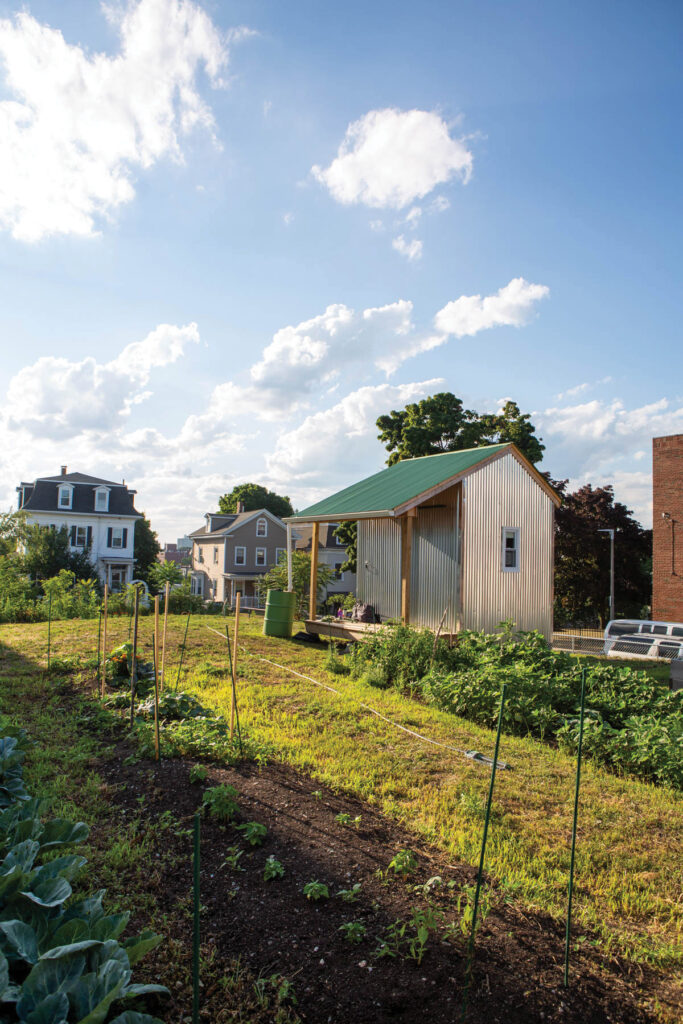
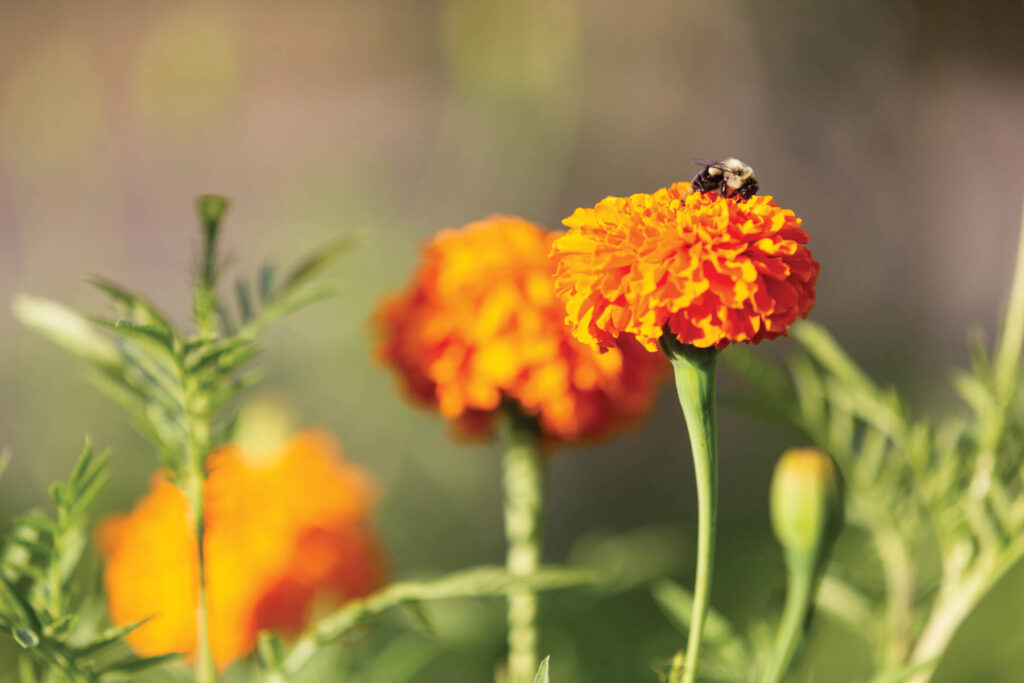
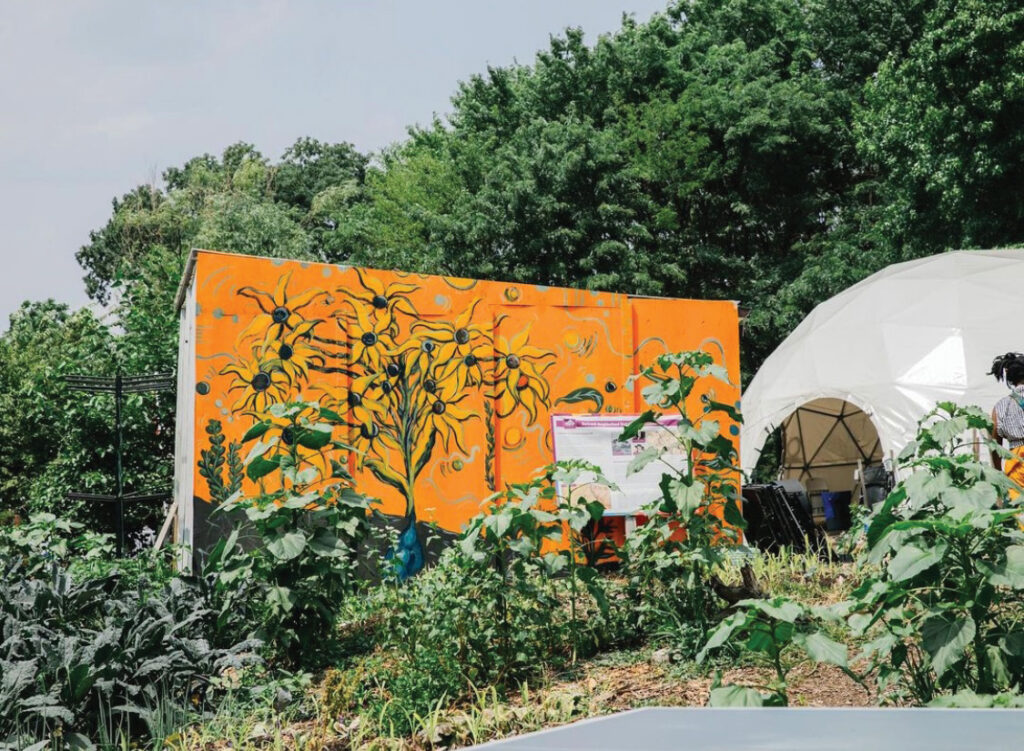
Life Do Grow in central Philadelphia stewards a two-acre site. Boston Farms “turns vacant urban land into collective opportunity.”
Our Village Gardens, which became a nonprofit in 2021, was founded as part of the Janus Youth Project in 2001 to help reduce gang violence and allow folks in Portland’s New Columbia neighborhood to have a stake in their food. Residents use the garden’s 80 community plots, in part, to grow culturally relevant foods, like collard greens, that are hard to come by in the area. The nonprofit also buys some garden members’ goods for its Village Market, which provides free and low-cost fresh produce to the neighborhood. Its Neighbor to Neighbor program delivers free community supported agriculture (CSA) boxes to 30 households from June through September, and the garden hosts events, like an annual block party and seminars on how to prune trees and shrubs.
Of course, the value Our Village Gardens brings to the community comes at a cost. The farm is primarily funded through government grants that are given as reimbursements. “That requires us to have the cash flow available to be able to spend those expenses and then wait to get it back,” Lombardozzi says. “It has been challenging not having a deep endowment. We’re trying to grow our donor base, but we don’t have a lot of unrestricted funding that’s flowing in.” Tracking expenditures and filing paperwork is also an administrative burden that they often don’t have the personnel to tackle.
Because of budgetary restrictions, Our Village Gardens recently reduced its 21-member staff to 10, but the team remains committed to providing their neighborhood with healthy food and a space for gathering. “That’s one of the meaningful impacts on the community, is being a hub for people,” Lombardozzi says. “People really enjoy being able to learn how to grow their own food and gather in a community with people who speak different languages from them. I think people have a lot of pride in the garden and have a lot of ownership over it.”
Another vibrant community hub and garden is Life Do Grow in north central Philadelphia. In 2010 Urban Creators, Life Do Grow’s local operating nonprofit, began stewarding a two-acre site, formerly a box-cutting factory and auto junkyard. In the years since, it has become a vital source of organic produce for its neighbors, who can pick up low-cost fresh lettuce, tomatoes, watermelons, and other fruits and vegetables from the farm’s food pantry on Wednesday evenings. “You can’t encourage people to eat healthier without giving them the access,” says farm volunteer manager Isabella Higgins, who also manages the apiary. “To eat an organic, holistic diet is a privilege — and really expensive to do.”
Running the farm isn’t cheap, either, and funding is a constant source of stress. Life Do Grow and its three full-time employees are sustained by grants, including money from the city, and private donations; it recently received a farm serial number from the U.S. Department of Agriculture, making it eligible for USDA grants as well. It’s a “large space that requires a decent chunk of change every year,” Higgins says. “We try to have our hands in different pots.”
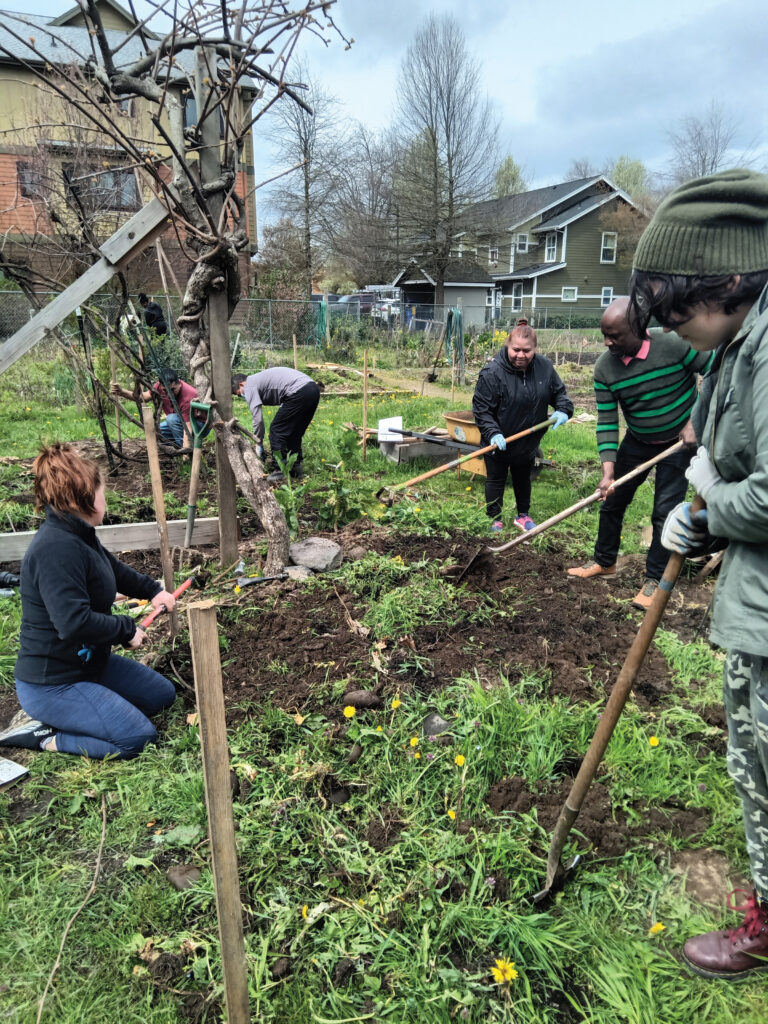
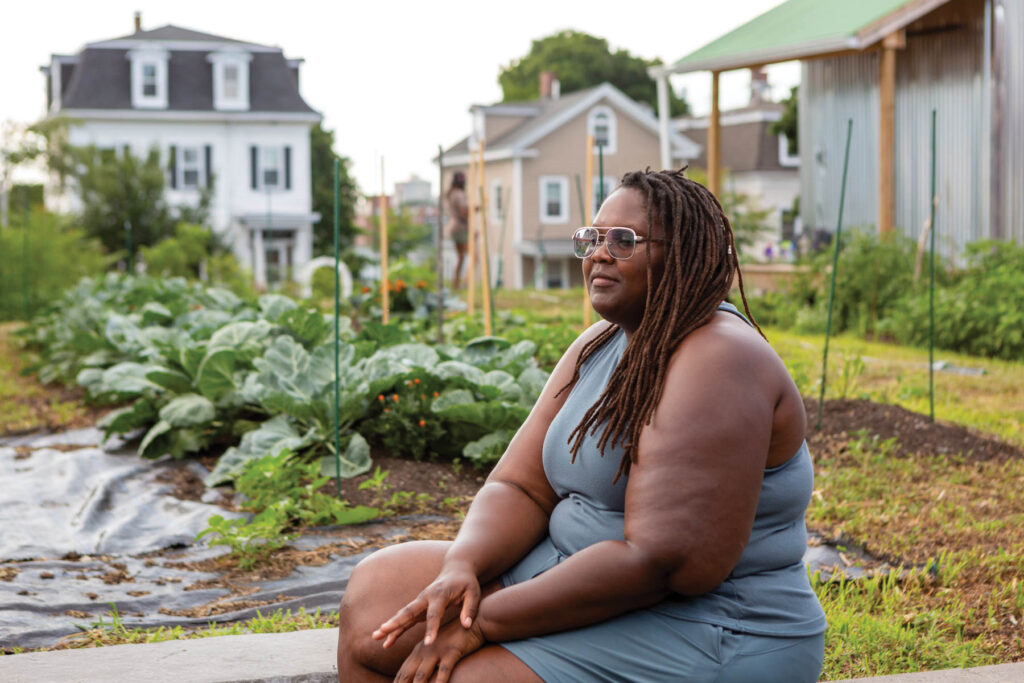
Boston Farms looks to the first Community Land Trusts from the 1960s as an example to help provide food security for the underserved.
There are other challenges, too. Life Do Grow’s site is owned by the City of Philadelphia, which doesn’t allow drilling for a well, so the farm is watered with a rain catchment system. In times of drought, like the past two summers, the farm has lost plants and has had to increase its focus on drought-resistant seeds. The lease from the city is set to end soon, putting Life Do Grow’s future in flux.
Ro Davis, Life Do Grow’s community organizer and facilities manager, has lived in the neighborhood his whole life and has seen the farm’s benefits firsthand. He organizes events, like cooking demonstrations that show participants how to use their produce. The farm and its programming are a one-of-a-kind resource for the neighborhood. “It means a lot to the community,” he says.
Boston Farms is a different model in the urban agriculture space. This nonprofit is a community land trust, which means it owns five farm sites — totaling about one and a half acres — across the city’s Dorchester, Roxbury, and Mattapan neighborhoods. It’s also governed by community members, keeping the decision-making power in the neighborhoods it serves, says Executive Director Joy Gary.
Founded in 2017 by the Urban Farming Institute, a local nonprofit dedicated to promoting urban agriculture, Boston Farms develops formerly derelict sites into spaces where the neighborhoods’ predominantly Black and brown residents can hone their farming skills and business acumen. The goal, Gary explains, is to help farmers branch out to other spaces of agriculture across Massachusetts.
To survive, they rely in part on funding partners like Equitable Food Oriented Development, a collective that uses food and agriculture to create economic opportunities in historically marginalized communities. The collective supports Boston Farms’ vision while alleviating some of the administrative burden with its low reporting requirements, Gary says. Boston Farms also relies on grants from organizations, including GrowBoston, and individual donors.
Boston Farms has expanded its advocacy work beyond its immediate community. It engages organizations like the American Farmland Trust, a nonprofit that aims to protect farmland, and Natural Resources Conservation Service, an agency within the Department of Agriculture that provides technical assistance to farmers, like connecting them with grant writers. They are also working with the organizations on shifting the timing of the grant application process so it doesn’t overlap with farming season.
Gary says Boston and Massachusetts are ahead of many other cities and states in providing support for urban agriculture programs, but “the main challenge is people on the ground knowing it.” Understanding how to tap into existing funding streams and having the staff to do it remains a hurdle for urban farms across the country. “Unless you’re a larger organization that has been doing it for many years and you figured out you need to earmark a person to actually drive this home, you’re likely not able to take advantage of all that’s there,” Gary says. Right now, she says, the real question is whether those available funds are “getting to the right people.” She believes in — and works hard toward — a future where they do.