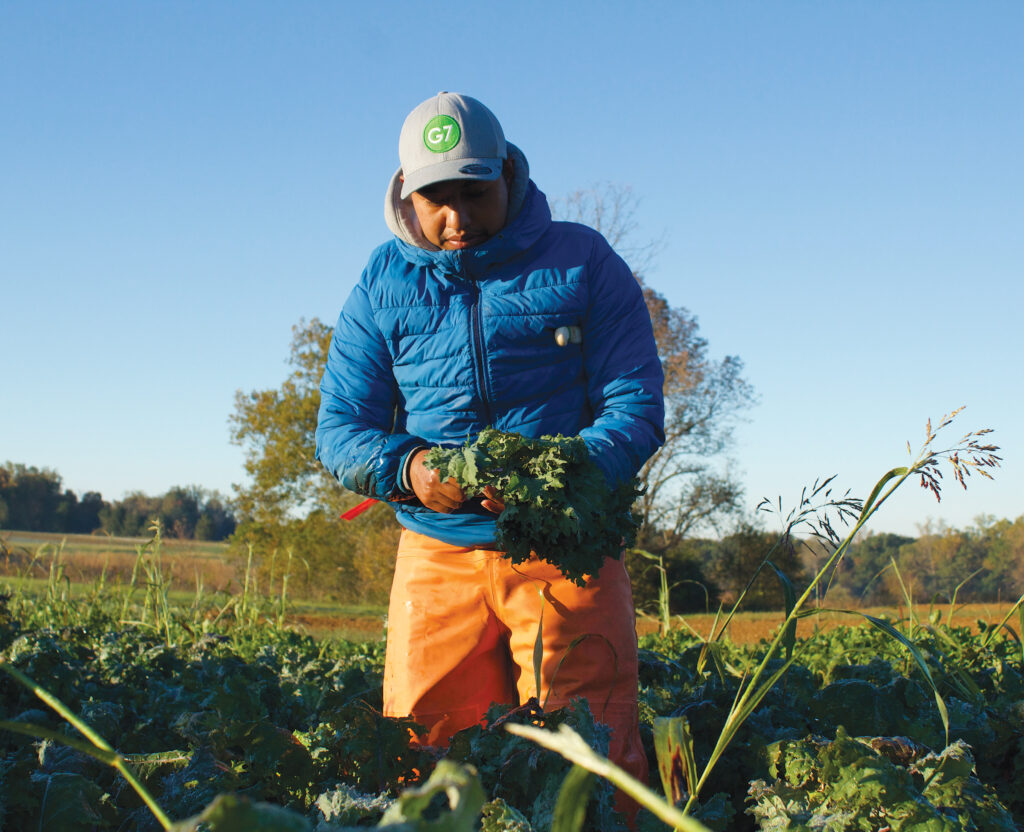
As the fashion industry confronts its significant environmental impact — including 92 million tons of textile waste annually and contributing 10% of global greenhouse-gas emissions — regenerative farming is emerging as a transformative solution. Once primarily associated with the food sector, regenerative agriculture influences fashion’s shift toward sustainability, too.
This expansion from “slow food” to “slow fashion” is a holistic approach to sourcing natural fibers, like cotton, hemp, wool, leather, and rubber. Historically, these materials, which are key components of apparel and footwear, were extracted with little regard for the ecosystems they came from. Regenerative farming changes that. Blending ancient rotational grazing techniques with traditional ecological knowledge can restore ecosystems, enhance soil health, and reduce carbon emissions. It also enables production of high-quality, durable materials with a lighter environmental footprint and a longer life cycle. Regenerative fashion represents more than just a trend — it’s a step toward healing the planet while creating more sustainable products.

Shifting Mindsets
Consumers are embracing a view of sustainability that includes ethical production and environmental responsibility. The growing interest in regenerative fashion reflects a two-pronged repositioning of the business-to-consumer and business-to-business landscape — a shift in individual values and an industrial-scale pivot on how we think about the interconnection of the systems feeding the fashion industry.
Why does this matter? Today’s consumers are more informed than ever about the ethics and sustainability of brands they support. A 2020 survey by McKinsey & Company revealed that 67% of consumers consider the use of sustainable materials crucial when purchasing fashion items, and two-thirds of global consumers are willing to pay a premium for sustainable products. This emphasis on transparency and traceability is one of the key reasons regenerative farming is gaining momentum within the fashion industry. Brands embracing these practices are increasingly considered as industry leaders; sustainability is now a competitive advantage. As a result, there’s a growing industry-wide movement to source materials in ways that actively support ecosystems, reinforcing the idea that people, the planet, and products can coexist in harmony.
Fashion Meets Agriculture
Compared with traditional farming of cotton, wool, and hemp fibers, regenerative practices drastically reduce water usage, limit chemical inputs, and increase soil fertility. According to the World Wildlife Fund, conventional cotton farming uses up to 2,700 liters of water per T-shirt, whereas regenerative cotton farming can reduce water use by up to 30%, per the Textile Exchange’s 2021 Organic Cotton Market Report.
By eliminating dependence on synthetic pesticides and fertilizers, regenerative farming ensures the land remains viable for future generations while lowering the environmental impact of fiber production. This “farm-to-closet” strategy connects people with the origins of their clothing, addressing nuanced anxieties around murky manufacturing practices while providing consumers a legitimate path toward responsible consumption.
The Evolution of Fashion Brands
Fashion brands recognize the importance of regenerative farming to achieving their sustainability goals. They’re forging partnerships with regenerative farms or establishing in-house programs to ensure their materials are responsibly sourced. Going beyond traditional organic methods, outdoor brand Patagonia, a longtime participant in environmental activism, is leading the regenerative organic cotton charge as one of the first companies to support Regenerative Organic Certification (ROC), developed by the Regenerative Organic Alliance. Similarly, Allbirds is pushing the boundaries of regenerative sourcing. The footwear brand’s ambitious goal of carbon neutrality is driving its exploration of regenerative farms, not just for animal-based materials like wool and leather but also for plant-based options, such as eucalyptus. According to the Rodale Institute, regenerative farming can sequester up to 5.5 tons of carbon dioxide per acre per year.
Outerknown, the clothing brand cofounded by 11-time world surfing champion Kelly Slater, has also embraced regenerative practices by sourcing organic cotton from ROC farms and using recycled wool. The brand supports ocean regeneration initiatives, too.
“We are constantly looking for ambitious entrepreneurs innovating with regenerative materials and sourcing techniques for both land and water,” Outerknown CEO Dylan Slater tells The Rooted Journal. “Our pioneering efforts include being the first to market with a seaweed-based fiber developed by next-gen materials company Keel Labs.” The company is also collaborating with Bureo, which makes material from discarded fishing nets, reducing ocean plastic. Outerknown’s latest collection is made from organic cotton, with 14% crafted from ROC cotton, a number the company is committed to increasing. “We will continue supporting forward-thinking leaders in technology and farming to scale the use of innovative fabrics that minimize harm to both land and oceans,” Slater says.
By prioritizing regenerative practices, these brands are setting new standards for ethical production while reinforcing the importance of transparency and sustainability throughout their supply chains.

Building Regenerative Supply Chains
Regenerative farming requires a fundamental rethinking of supply chains for emerging brands and industry giants alike. Christy Dawn, a line of vintage-inspired dresses and knitwear, is bypassing traditional supply chain models entirely through its Farm-to-Closet initiative, which partners directly with cotton farms in India. These farms use regenerative techniques that improve the soil, foster biodiversity, and ensure traceability from farm to finished garment. Similarly, designer Stella McCartney has collaborated with regenerative wool farms to minimize the environmental impact of her collections. On a larger scale, the Kering Group, which owns luxury brands including Gucci, Saint Laurent, and Balenciaga, is making significant investments in regenerative agriculture, particularly for cotton, wool, and leather production. Kering’s Regenerative Fund for Nature aims to convert 1 million hectares of land into regenerative agriculture by 2026.
While implementing these practices is financially and logistically challenging, the environmental and economic benefits are immense.
Regenerative farming plays a critical role in the production of key natural fibers and materials used in fashion. Here’s how:

Traditional methods of farming cotton —
one of the world’s most widely used fibers — are notoriously resource-intensive; regenerative cotton farming significantly reduces the amount of water required.

Regenerative farming of hemp, which is enjoying a resurgence in the fashion world, uses minimal water while replenishing soil health.

Regenerative leather production relies on rotational grazing systems, which diminish the effects of traditional leather farming and tanning processes.

Growing rubber trees in biodiverse, regenerative agroforests causes less damage than monoculture rubber plantations, expanding the capacity for natural rubber.

Rotational grazing — frequently moving livestock through pasture subdivisions to allow plants to rest and regrow — ensures sheep farms prioritize ecosystem health, setting new standards for sustainable wool production.
The Role of Certification
Certification is integral to maintaining the integrity of regenerative farming claims. ROC is one of the leading standards, focusing on three key pillars: soil health, animal welfare, and social fairness. ROC farms use methods like cover cropping and reduced tilling to enhance soil fertility and sequester carbon. Rotational grazing regenerates land while benefiting the wellness of cattle, sheep, goats, bison, and other livestock. Additionally, ROC ensures fair treatment of farmworkers. Farms under ROC have reported a 15% increase in yields and a 40% reduction in water usage, demonstrating both the rise in productivity and the environmental benefits of regenerative practices.
The Savory Institute’s Land to Market program offers verification for products sourced from regenerative grassland environments. Forward-thinking brands such as Eileen Fisher, Reformation, New Balance, UGGs, and Timberland have participated in the program to source wool, leather, and lamb shearling for their apparel and footwear. The program utilizes Ecological Outcome Verification, a monitoring protocol that ensures regenerative grazing practices improve a landscape’s ecosystem function while contributing to soil health and biodiversity. It’s a growing trend, according to Bobby Gill, director of development and communications at the Savory Institute. “We are seeing companies align their supply chains with regenerative agriculture as a way to invest in the future of our planet, while also ensuring that their sourcing practices are part of the solution, not the problem,” he says.
Climate-Sincere Legislation
Governments are increasingly incentivizing regenerative farming practices through subsidies and grants. The U.S. Department of Agriculture supports this transition with programs like the Conservation Stewardship Program and Environmental Quality Incentives Program, offering financial aid to farmers adopting regenerative techniques such as rotational grazing, cover cropping, and reduced tillage. The U.S. Farm Bill includes provisions to promote these practices, too. In the European Union, the Common Agricultural Policy allocates substantial funding to “greening” initiatives that encourage soil regeneration, biodiversity, and carbon capture. The European Green Deal and Farm to Fork Strategy further align with regenerative agriculture principles. All of these legislative frameworks create financial incentives and regulatory guidelines that encourage the adoption of regenerative farming practices, helping fashion and all other industries transition to more sustainable sourcing methods.
While there is no single solution to reverse the effects of climate change, the fashion industry’s use of regenerative farming practices presents an opportunity for large-scale change. As consumers increasingly prioritize sustainability, transparency, and ethics, apparel brands must continue to evolve, integrating regenerative principles throughout the supply chain. By supporting brands that champion and practice regenerative farming, shoppers play a crucial role in fostering a more sustainable future, ensuring the integrity of their closets starts with the soil.